
ABA Therapy
Key Points: The most effective types of therapy for autism combine ABA, Speech Therapy, and Occupational Therapy through a coordinated developmental therapy guide. An ST vs OT vs ABA comparison

Key Points: The most effective types of therapy for autism combine ABA, Speech Therapy, and Occupational Therapy through a coordinated developmental therapy guide. An ST vs OT vs ABA comparison

Key Points: ABA therapy for teens focuses on independence, emotional regulation, and real-world readiness by addressing teen ABA goals such as life skills, social competence, and self-advocacy. Skill-building for teens

Key Points: Insurance coverage for ABA therapy depends on state laws, diagnosis requirements, plan type, and documentation. Families need to verify benefits, understand eligibility rules, and submit specific documents for

Key Points: ABA social skill activities help autistic toddlers develop communication, play, and interaction abilities through structured, fun routines. Parents can use simple household items to create engaging ABA therapy

Key Points: Errorless learning in ABA helps children with autism build confidence by reducing mistakes during skill acquisition. This approach uses strategic prompting and gradual fading to ensure success and

Key Points: Pretend play helps children develop imagination, communication, and social understanding. Children with autism may experience challenges in engaging with pretend play due to differences in social and communication

Key Points: Parents in continence coaching often experience emotional burnout, stress, and self-doubt. Practical self-care methods, including boundaries, routines, and support systems, can ease the mental load. Integrating ABA therapy
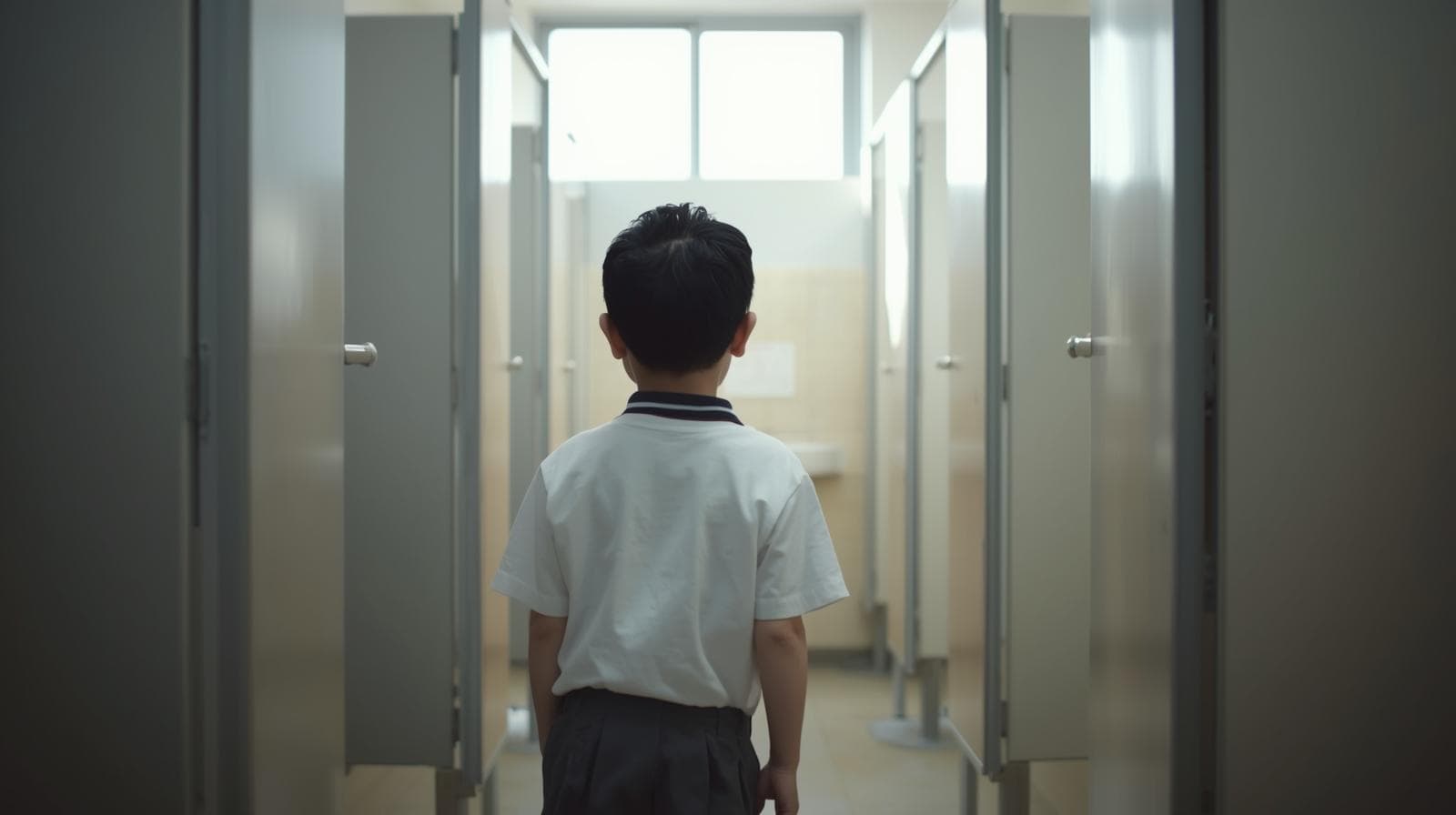
Key Points: Collaboration between parents, schools, and daycare staff is essential for consistent toilet training support. Shared routines, clear communication, and training help avoid setbacks and confusion. ABA therapy can

Key Points: Track Behaviors Easily: Frequency data in ABA counts each action to reveal patterns. Pick the Best Method: Mix frequency, interval, and permanent product recording to capture both quick

Key Points: A structured shower sequence for autism can help reduce sensory overwhelm and support independence in daily hygiene routines. Sensory-friendly adjustments—like using visual aids, warm lighting, or alternate textures—can