
Autism Support
Key Points: Fatigue in autism is often the result of sensory overload, constant masking, and emotional exhaustion. It may appear as irritability, shutdowns, or physical tiredness and is often misunderstood

Key Points: Fatigue in autism is often the result of sensory overload, constant masking, and emotional exhaustion. It may appear as irritability, shutdowns, or physical tiredness and is often misunderstood

Key Points: Imposter syndrome in autism can stem from masking, late diagnosis, or feeling “not autistic enough.” Many autistic individuals internalize self-doubt, even after receiving formal validation of their diagnosis.
Recent remarks by a public figure claiming autism is a tragedy needing a cure sparked widespread backlash—and rightfully so. These outdated views ignore decades of research and the lived experiences
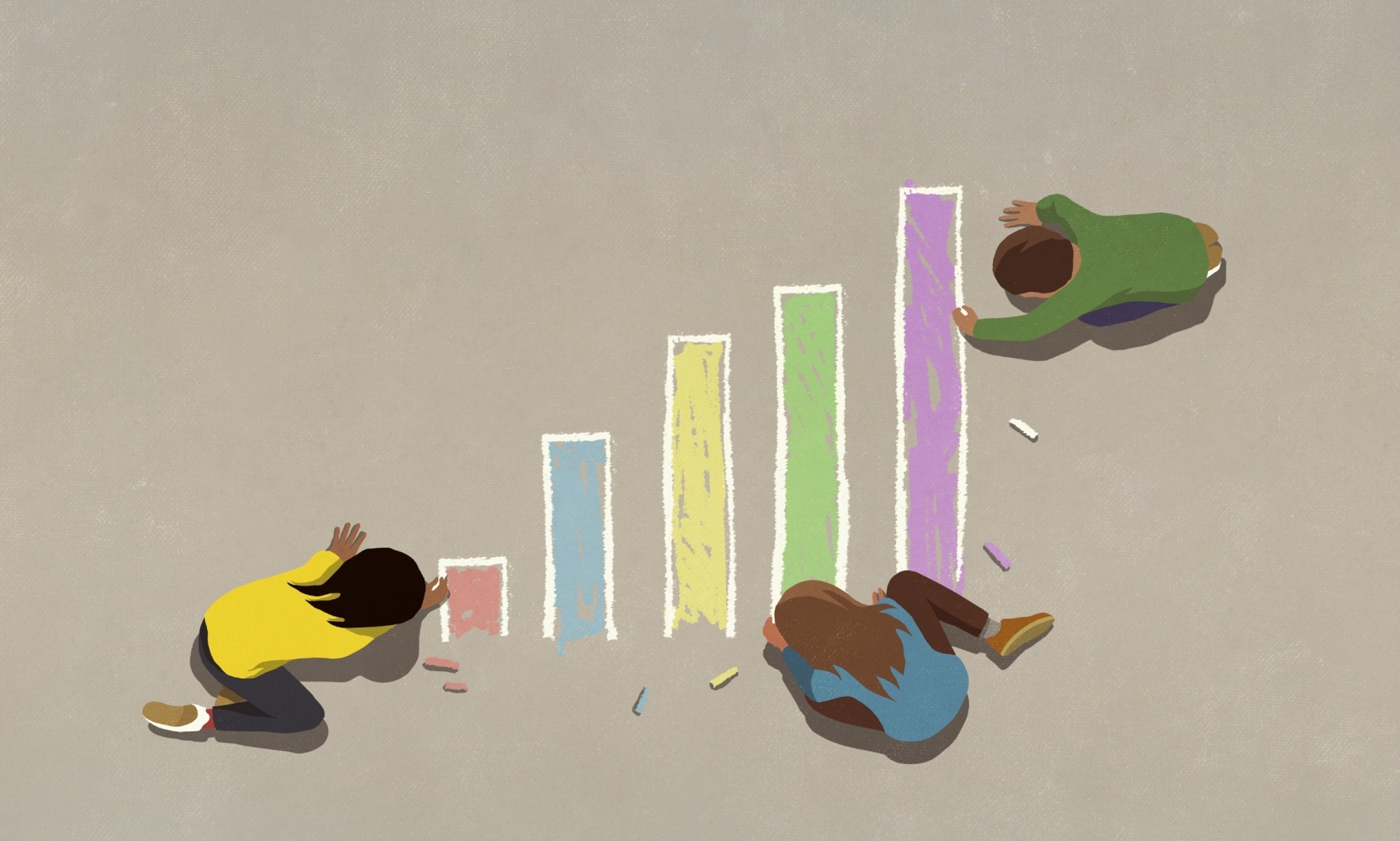
In recent years, autism diagnosis rates have climbed sharply—so much so that headlines sometimes use the term “epidemic.” But is autism truly becoming more common, or are we simply getting
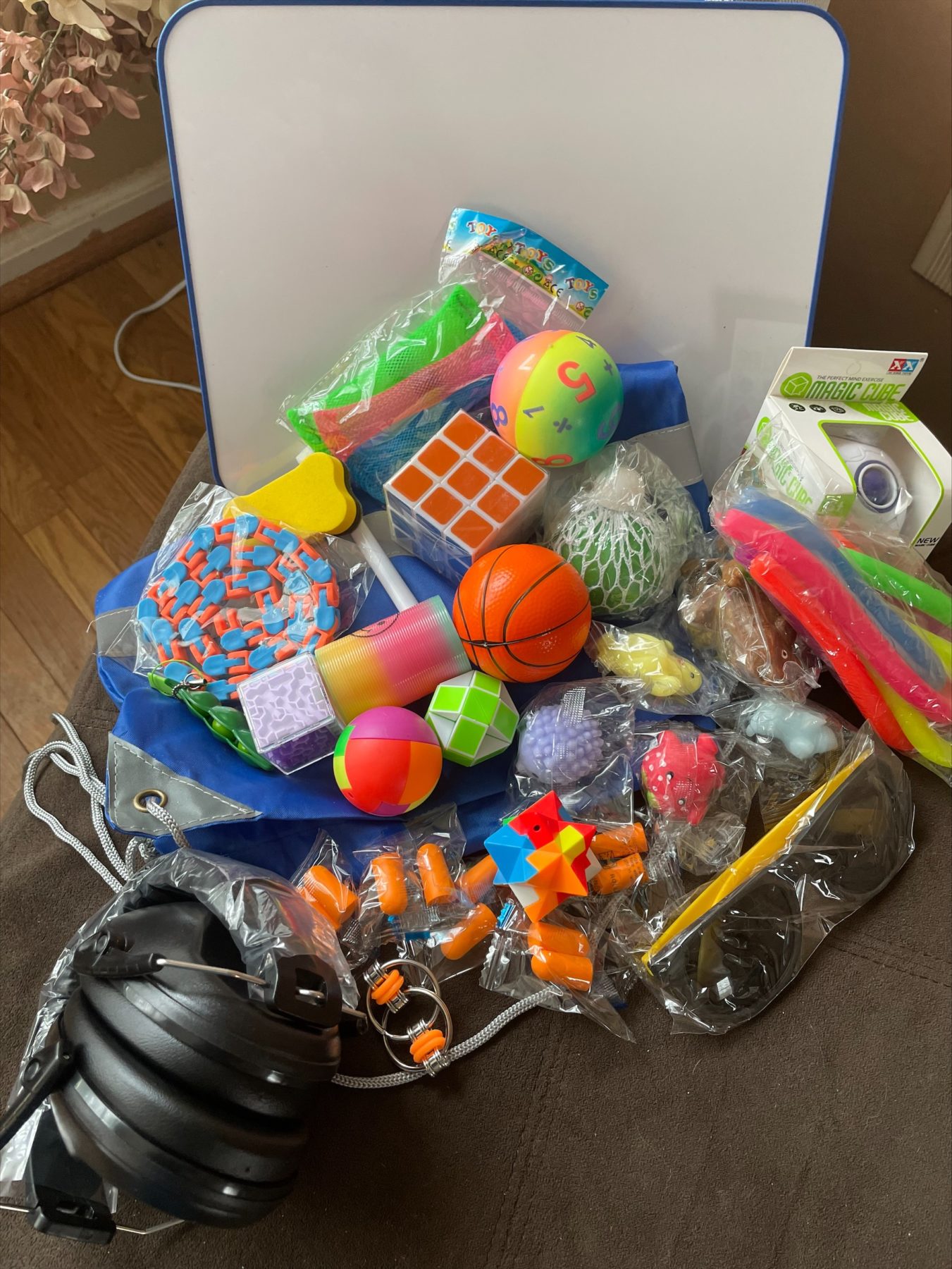
Montgomery Parks and the Maryland-National Capital Park Police, Montgomery County Division, are leading the way in creating more inclusive, responsive public spaces. In a recent expansion, Park Police patrol officers
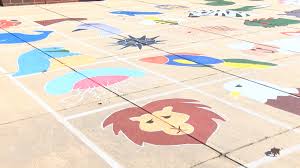
In an inspiring act of creativity and compassion, an Urbana High School senior has transformed the outdoor space at Centerville Elementary School into something truly meaningful. Galila Ibrahim, motivated by

Key Points: Autism is a neurodevelopmental disorder, not an emotional disorder, though emotional regulation challenges may be present. Emotional disorders and autism differ in origin, symptoms, and treatment approaches. ABA
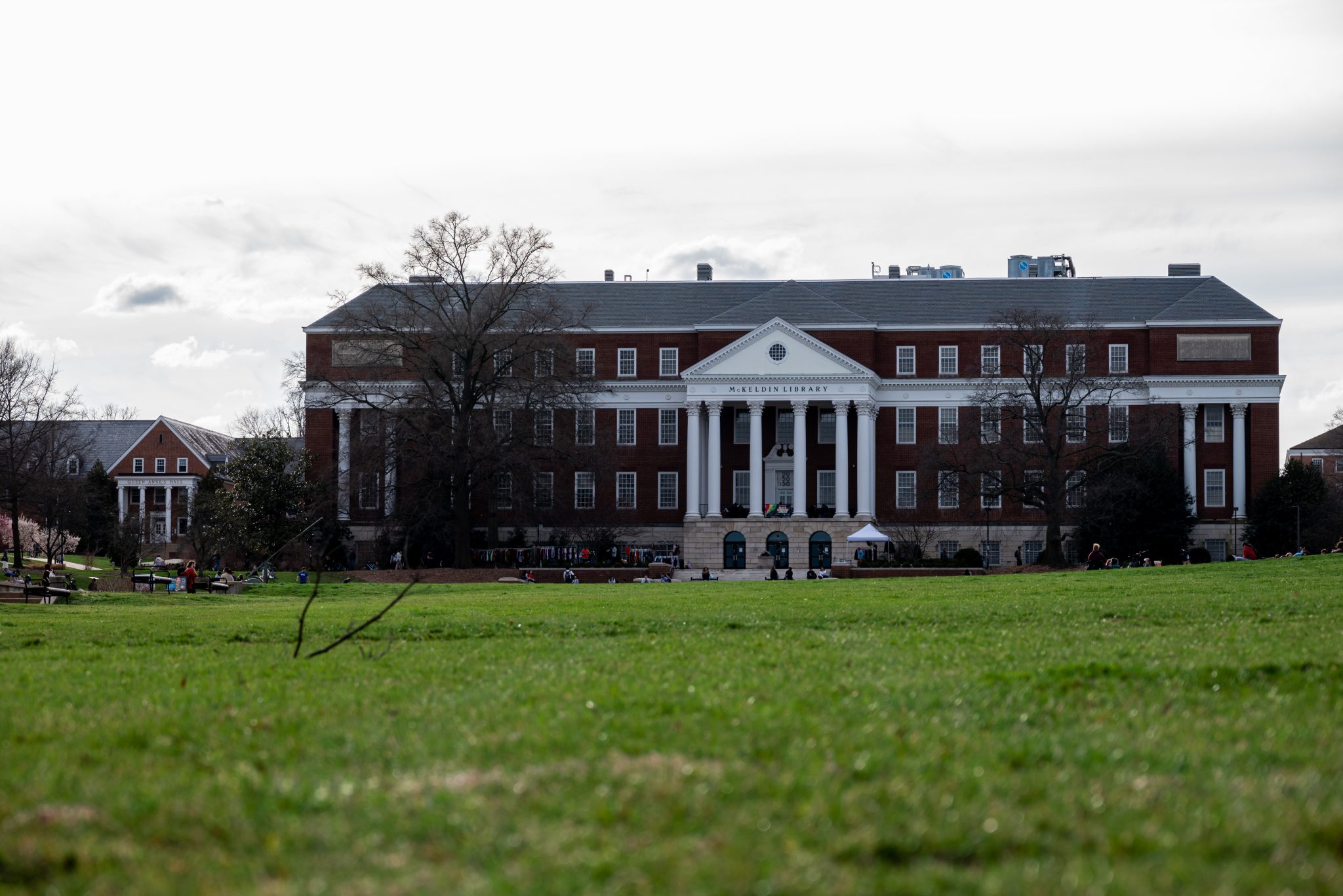
Studying in college isn’t easy. For students with sensory sensitivities or neurodivergent traits, it’s often even harder. Crowded libraries, buzzing fluorescent lights, and constant background noise create environments that can
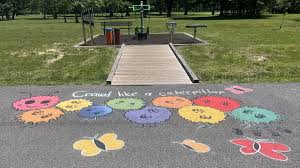
A newly unveiled sensory path at Lexington Manor Passive Park is turning heads—and hearts. Created by talented students from Chopticon High School, this nature-themed path brings more than just color
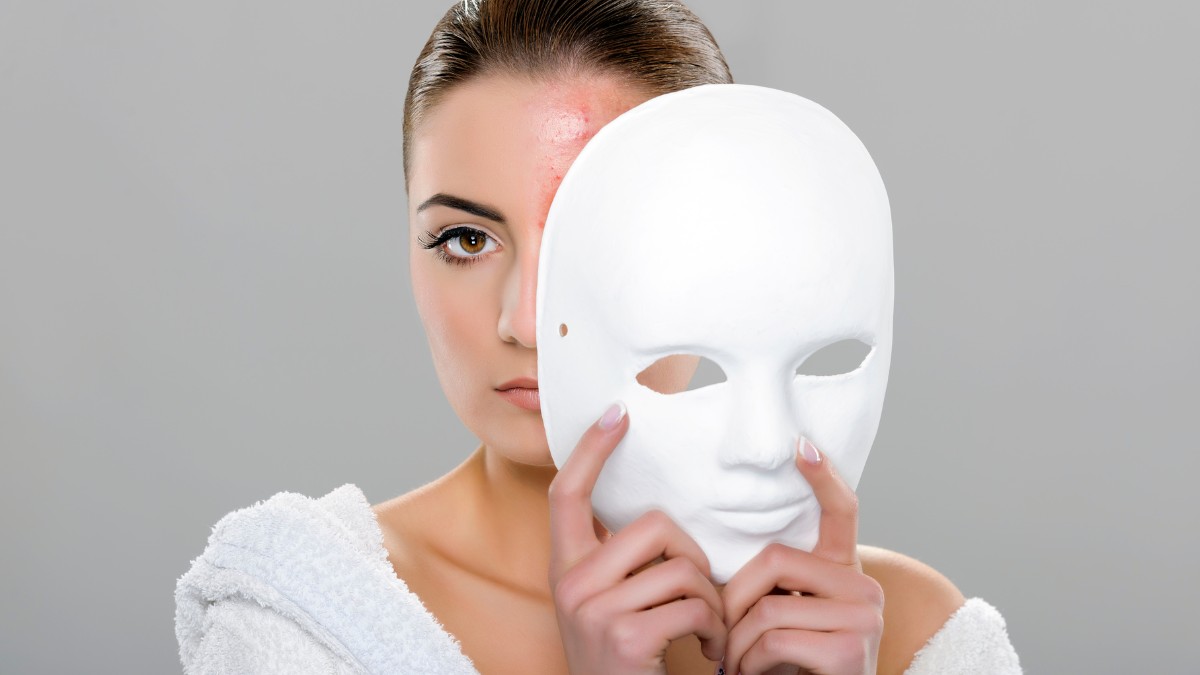
Key Points: High-masking autism refers to autistic individuals who intentionally or unconsciously hide their traits to fit into neurotypical environments. This form of masking can lead to mental and emotional