
Key Points:
- Autism running behavior (elopement) is a safety risk driven by sensory needs, anxiety, and communication challenges, not defiance, and requires proactive prevention.
- GPS trackers autism tools support fast response and location tracking but work best when combined with supervision and behavioral strategies.
- Effective safety planning for autistic kids includes environmental supports, communication skills, routine consistency, and clear emergency response plans.

What Is Elopement in Autism?
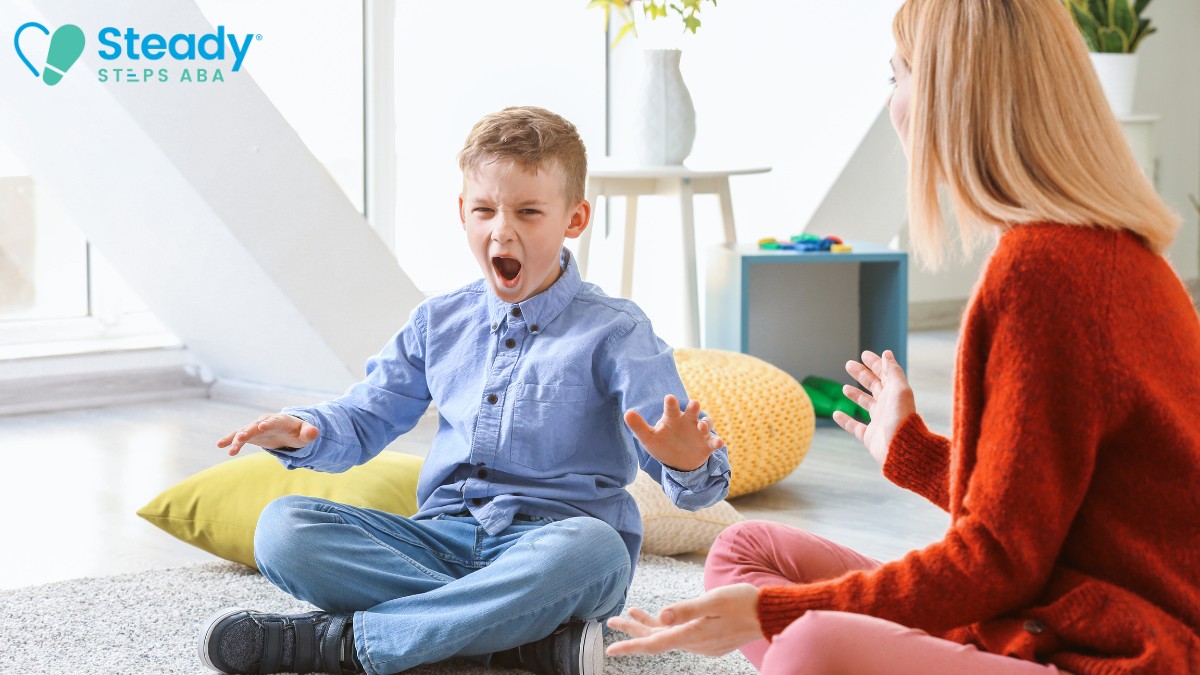
Elopement, often referred to as autism running behavior, occurs when an autistic child or individual wanders or runs away from a safe, supervised environment such as homes, schools, stores, or playgrounds.
This behavior can place the individual at serious risk, including traffic accidents, injury, or drowning. Importantly, elopement is not defiance or misbehavior; it is a goal-directed response to unmet needs, sensory experiences, anxiety, or communication challenges.
Understanding why elopement happens is the first step in creating effective safety planning for autistic kids and reducing long-term risk.
This behavior is often driven by:
- Sensory overload or sensory seeking
- Anxiety and fight-or-flight responses
- Difficulty communicating needs
- Strong fixations or special interests
- Curiosity and exploration
- Lack of safety awareness
Rather than impulsive behavior alone, autism running behavior usually has a purpose: to escape something distressing or access something desirable.
Why Autism Running Behavior Happens
Sensory Seeking or Sensory Overload
Autistic children may run toward sensory experiences they crave (water, spinning objects, open spaces) or away from overwhelming input like loud noises, bright lights, or crowded environments.
Escape and Avoidance
Elopement can be a stress response to anxiety-provoking situations such as:
- School demands
- Social gatherings
- Transitions or changes in routine
This “fight-or-flight” response helps the child escape discomfort when coping skills are limited.
Accessing Preferred Items or Places
Many children elope to reach a favorite object, person, or location—commonly water, vehicles, playgrounds, or specific stores.
Communication Challenges
When a child cannot effectively express needs like “I need a break” or “this is too loud,” running away becomes a form of communication.
Curiosity, Exploration, and Fixations
Strong interests and hyperfocus can override safety awareness, especially when the child does not fully understand danger.
Signs and Warning Indicators of Elopement
Recognizing early signs of autism running behavior can prevent dangerous situations.
Behavioral Warning Signs
- Frequent glances toward doors or exits
- Attempts to leave vehicles or buildings
- Sudden calm before bolting
- Strong attraction to water, roads, or bright lights
- Increased pacing, agitation, or repetitive behaviors
Common Triggers
- Sensory overload or deprivation
- Changes in routine
- Anxiety or stress
- Access to fixations
- Limited understanding of safety risks
Children with a strong interest in water face an especially high drowning risk, making proactive safety planning essential.
Safety Risks Associated With Elopement
Elopement is a major safety concern in autism. The most common dangers include:
- Traffic accidents
- Drowning
- Exposure to extreme weather
- Getting lost or injured
- Interaction with unsafe strangers
Because of these risks, safety planning for autistic kids must be proactive rather than reactive.
How ABA Therapy Helps Reduce Elopement
Applied Behavior Analysis (ABA) therapy is an evidence-based approach for addressing autism running behavior by teaching safer alternatives and improving communication.
Functional Behavior Assessment (FBA)
ABA begins by identifying the function of elopement:
- Escape
- Access to preferred items
- Attention
- Sensory input
Understanding the reason behind the behavior allows therapists to target the root cause.
Teaching Replacement Behaviors
Children are taught safer ways to meet their needs, such as:
- Requesting a break using visuals or words
- Asking for sensory tools or movement breaks
- Requesting help or access to preferred items
Positive Reinforcement
Safe behaviors, staying close, holding hands, responding to “stop”, are reinforced with praise, tokens, or preferred activities.
Safety and Communication Skills
ABA focuses on:
- Functional communication training (FCT)
- Responding to stop or wait cues
- Road and community safety awareness
- Wearing identification
Caregiver Collaboration
Consistency across home, school, and community settings is critical. ABA therapists help families create clear safety plans and environmental supports.

Autism Safety Planning in Practice
Effective safety planning for autistic kids combines environmental controls, communication supports, and skill development.
Identification and Tracking
- Medical ID bracelets or shoe tags
- ID cards with photos and emergency information
- GPS trackers autism (watches, tags, or phone-linked devices) for real-time location tracking
Environmental Safety
At Home
- Door and window alarms
- Top-mounted or coded locks
- Secure fencing
- Designated calm or sensory spaces
At School and in the Community
- Staff awareness and training
- Visual boundaries
- Quiet areas for regulation
Triggers and Sensory Needs
Document:
- Early signs of distress
- Sensory triggers and calming tools
- Preferred communication methods
Teaching Safety Skills
- Social stories about staying safe
- Role-playing asking for help
- Identifying safe strangers (police officers, parents with children)
Emergency Contacts and Procedures
A written plan should include:
- Trusted contacts
- Emergency response steps
- Instructions for first responders on how to approach the child calmly
What to Do If an Autistic Child Elopes
Immediate Response (First 5 Minutes)
- Pursue immediately if visible
- Call the child’s name and describe their clothing aloud
- Alert nearby adults to help block exits
If the Child Is Missing
- Search high-risk areas first (water, roads, parking garages)
- Call emergency services immediately
- State clearly that the child has autism and may lack safety awareness
- Use GPS trackers if available
After the Incident
- Do not punish the child
- Document triggers and circumstances
- Adjust the safety plan to prevent recurrence
Get Professional Support: Safety Planning for Austistic Kids
Elopement can be frightening, but with the right supports, autism running behavior can be significantly reduced. Comprehensive safety planning for autistic kids, combined with ABA therapy and environmental safeguards, provides families with both protection and peace of mind.
For help with safety planning for autistic children, contact Steady Steps ABA for professional guidance, expert tips, assessments, and in-home therapy support tailored to your child’s needs.
FAQ’s
1. What is autism running behavior?
Autism running behavior, also known as elopement or wandering, occurs when an autistic child leaves a safe, supervised area without awareness of danger. It is usually driven by sensory overload or sensory seeking, anxiety, communication difficulties, strong fixations, or a need to escape overwhelming situations—not defiance or misbehavior.
2. Why do autistic children run or wander away?
Autistic children may run to escape stress, access a preferred item or place, seek sensory input, or communicate unmet needs when they cannot express them verbally. Understanding the underlying cause of autism running behavior is essential for creating effective safety planning for autistic kids.
3. How can GPS trackers help prevent elopement in autism?
GPS trackers autism devices, such as watches or wearable tags, allow caregivers to monitor a child’s location in real time. While GPS trackers do not stop elopement, they are a critical safety tool that supports rapid response if a child wanders and should be used alongside behavioral strategies and supervision.
What should be included in safety planning for autistic kids?
Safety planning for autistic kids should include identification (ID bracelets or tags), environmental safeguards (door alarms, locks, fencing), communication supports, sensory regulation strategies, emergency contacts, and clear response steps if elopement occurs. Plans should be individualized and shared with schools and caregivers.
4. Can ABA therapy reduce autism running behavior?
Yes. Applied Behavior Analysis (ABA) therapy helps reduce autism running behavior by identifying why elopement occurs, teaching safer replacement behaviors, improving communication skills, and reinforcing staying in safe areas. ABA also supports families in developing consistent safety plans across home, school, and community settings.