
Key Points:
- Non-verbal autism does not mean low intelligence: Many children understand language and have strong cognitive skills but communicate through gestures, AAC tools, or other non-verbal methods.
- Early intervention is critical: Therapies like ABA, speech therapy, and occupational therapy help non-verbal autistic children develop functional communication and social skills.
- Tools and strategies empower communication: AAC devices, PECS, visual supports, sign language, and structured strategies reduce frustration, support language development, and foster independence.

What is Non-Verbal Autism?
Non-verbal or non-speaking autism refers to individuals on the autism spectrum who do not use spoken language, or use very limited speech, to communicate.
Affecting roughly 25–30% of autistic individuals, this form of autism involves significant challenges with verbal communication.
However, many non-verbal children understand spoken language and can express themselves through alternative methods such as gestures, sign language, or Augmentative and Alternative Communication (AAC) tools.
Aspects of Non-Verbal Autism
Communication Methods: Non-verbal autistic individuals often rely on tools like Picture Exchange Communication Systems (PECS), speech-generating devices (SGDs), tablets, writing, or sign language. These methods allow them to communicate needs, emotions, and choices effectively.
Not a Lack of Intelligence: Being non-verbal does not imply a lack of cognitive ability. Many non-verbal individuals have high comprehension and problem-solving skills but cannot articulate them verbally.
Minimal Verbal Abilities: Some may be “minimally verbal,” using single words or short, repeated phrases (echolalia) instead of functional conversation.
Temporary or Variable: Speech abilities can vary. Some individuals may be non-verbal in high-stress situations but use words at other times.
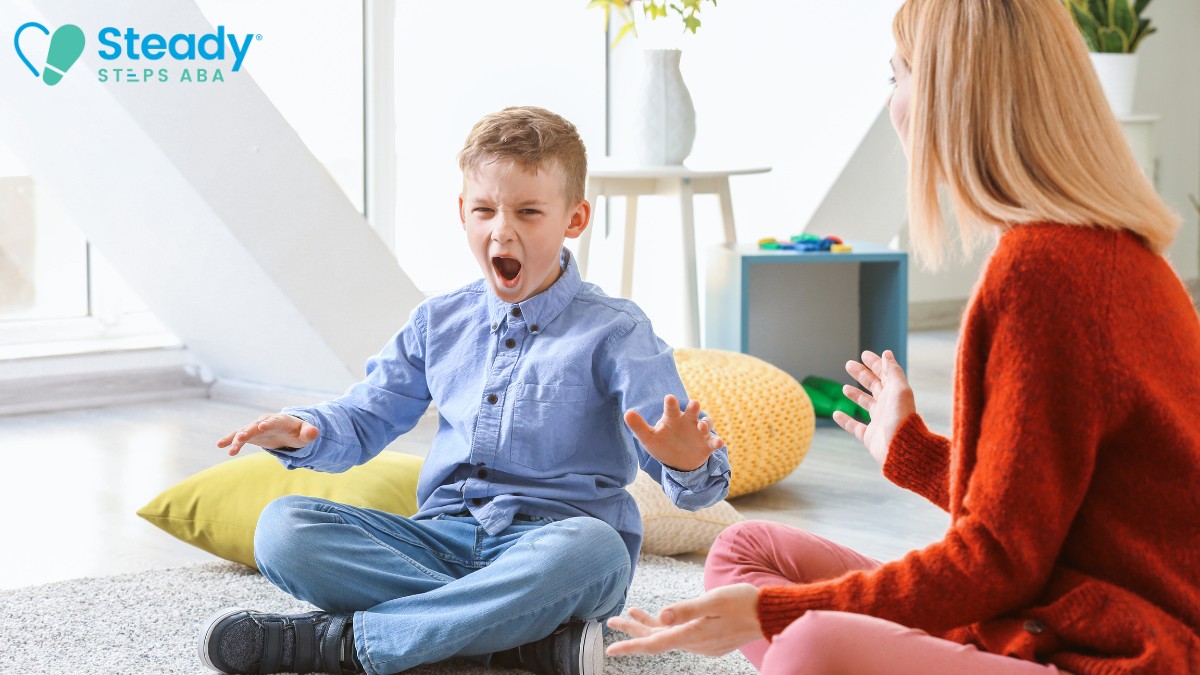
Signs & Behaviors: Early indicators include limited eye contact, not responding to their name, and reliance on gestures such as pointing or pulling to communicate.

Understanding Non-Verbal vs. Minimally Verbal
- Non-Verbal: No spoken words or symbolic vocalizations.
- Minimally Verbal: Uses a few words or phrases; language may develop over time.
- Echolalia: Repetition of words or phrases, immediate or delayed, rather than functional conversation.
Causes and Early Support
Non-verbal autism can be linked to genetic mutations that affect brain development and language areas. Early interventions, like speech therapy, occupational therapy, and ABA therapy, are critical for developing communication skills and supporting social engagement.
The term “non-speaking” or “minimally speaking” is preferred in many communities, emphasizing that communication exists even without spoken words.
Primary Indicators of Non-Verbal Autism in Kids
- Absence of Speech: No spoken language or loss of previously acquired words.
- Limited Communication: Reliance on gestures to convey needs.
- Poor Social Interaction: Avoids eye contact, does not respond to name, prefers solitary play.
- Behavioral Red Flags: Repetitive movements such as rocking, hand-flapping, or tiptoe walking.
- Rigidity: Strong preference for routines; distress over minor changes.
- Sensory Processing Issues: Extreme sensitivity to sounds, textures, smells, or tastes.
When to Seek Evaluation
If a child is 15 months or older and has not spoken their first meaningful word or has lost speech abilities, it’s recommended to consult a pediatrician or specialist. Early intervention significantly increases the likelihood of developing functional communication skills.

How ABA Therapy Supports Non-Verbal Autism
Applied Behavior Analysis (ABA) therapy uses structured, individualized strategies to build functional communication through:
- Positive Reinforcement: Rewards attempts to communicate using gestures, sounds, or cards.
- Functional Communication Training (FCT): Focuses on teaching the child to express needs rather than just speaking words.
- Alternative Communication Methods (AAC): Implements PECS, sign language, or digital devices.
- Discrete Trial Training (DTT): Breaks down complex skills into manageable steps.
- Prompting and Fading: Gradually reduces guidance as the child gains independence.
Goals and Outcomes:
- Improved communication, both verbal and non-verbal
- Reduced frustration and behavioral challenges
- Increased social engagement through imitation, joint attention, and play skills
Intensive early intervention, often 30+ hours per week for children under five, has proven effective for developing speech and communication skills.
Effective Tools and Strategies for Non-Verbal Communication
Supporting non-verbal autistic children involves using a combination of communication tools, structured strategies, and a supportive environment.
Communication Tools
- Augmentative and Alternative Communication (AAC):
- Low-Tech: Picture boards, communication books, PECS cards.
- High-Tech: Speech-generating devices and apps such as Proloquo2Go, LAMP Words for Life, or TouchChat.
- Access Methods: Operated via touch, switches, or eye-gaze technology.
- How AAC Works:
- Symbol-Based Communication: Press images or icons to communicate, often producing spoken output.
- Motor Planning: Uses consistent hand movements to locate words quickly.
- Core Vocabulary: Focuses on high-frequency words like “go,” “more,” or “want” for flexible communication.
- Customization: Content can be personalized for the child’s interests, routines, and abilities.
- Other Communication Tools:
- Picture Exchange Communication System (PECS): Exchanging pictures for desired items.
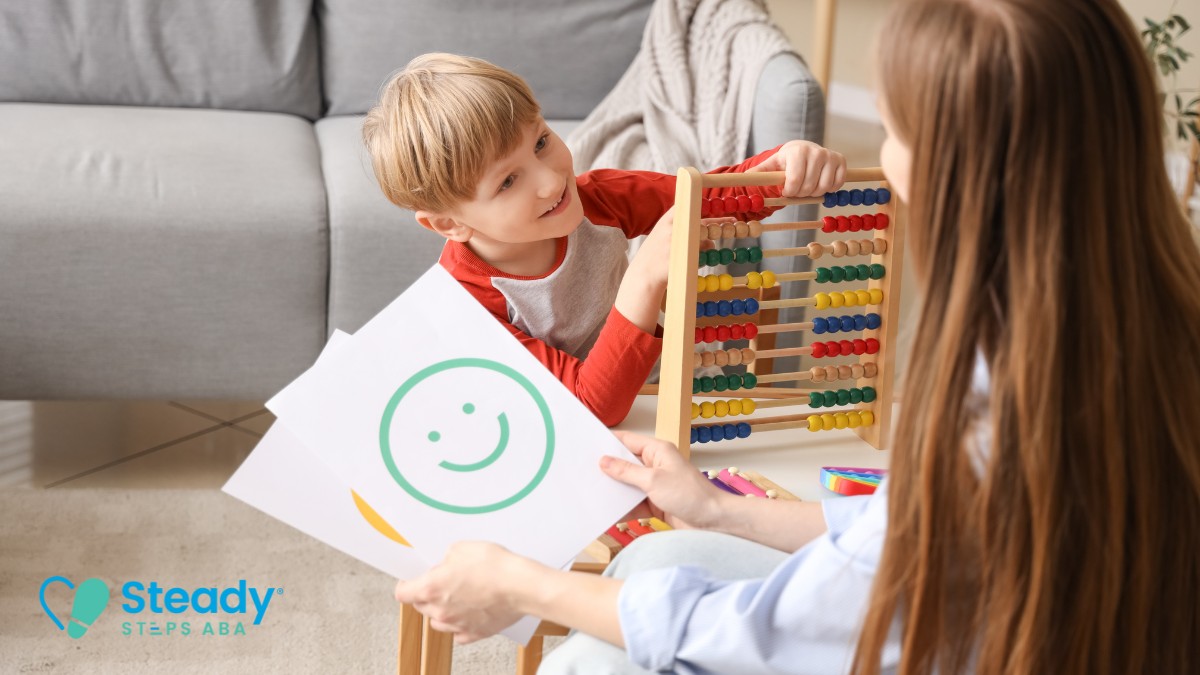
- Visual Supports: Schedules, timers, and choice boards to reduce anxiety and increase predictability.
- Sign Language & Gestures: Simple, consistent hand signs (e.g., Makaton, ASL) or motor gestures (pointing, clapping).
- Sensory Tools: Weighted blankets, fidget toys, or other supports to help with self-regulation.

Effective Communication Strategies
- Play-Based Interaction: Use preferred activities as opportunities for natural communication.
- Modeling & Imitation: Exaggerate gestures, facial expressions, and actions; mimic the child’s sounds and movements to encourage turn-taking.
- Create Communication Opportunities: Place items slightly out of reach or offer choices to prompt requests.
- Prompting & Fading: Provide hand-over-hand guidance for signs or AAC use, gradually reducing support.
- Consistency & Reinforcement: Apply the same communication methods across settings and celebrate all attempts or initiations.
- Wait Time: Allow extra seconds for the child to process information and respond.
- Follow the Child’s Lead & Narration: Engage in activities of interest and describe daily routines to model language.
- Sensory-Friendly Environment: Reduce overstimulation to help the child focus and feel comfortable.
Benefits of Using Tools and Strategies
- Reduces frustration by providing functional communication methods.
- Enhances social interaction with peers, caregivers, and educators.
- Supports language development and may encourage vocalizations.
Examples of Communication Goals for Non-Verbal Children
1. Requesting & Expressing Needs (Functional Communication)
- The child will independently request a desired item (e.g., snack, toy) using a picture exchange system (PECS) in 4 out of 5 opportunities.
- The child will use simple signs (e.g., “more,” “stop,” “eat”) to communicate needs during routines.
- The child will tap a person on the shoulder or use a “call” button to gain attention.
- The child will hand a “help” icon to an adult when unable to complete a task.
2. Making Choices & Indicating Preferences
- The child will select between two preferred items by pointing, reaching, or using a picture card.
- The child will use a “yes” or “no” icon to indicate preference for activities.
3. Social & Emotional Communication
- The child will wave hello or goodbye, or clap, to initiate social interaction.
- The child will point to a picture to express feelings (e.g., “happy,” “sad,” “mad”).
- The child will lead an adult by the hand to share an object of interest (joint attention).
4. Following Directions & Receptive Language
- The child will follow 1-step directions (e.g., “give me the ball”) with visual cues.
- The child will look at a picture or object when it is named.
Non-verbal autism does not mean a lack of understanding or potential. With early intervention, supportive environments, and tools like AAC, non-verbal children can develop meaningful communication, reduce frustration, and thrive socially.
For families seeking guidance, individualized communication goals, and support for non-verbal autism, ABA therapy is an effective approach. Contact us today for support.
FAQs
- What is non-verbal autism?
Non-verbal autism refers to individuals on the autism spectrum who use little or no spoken language to communicate. Many non-verbal children can understand spoken language and express themselves through gestures, sign language, or Augmentative and Alternative Communication (AAC) tools.
- Does being non-verbal mean a child has low intelligence?
No. Non-verbal children often have normal or above-average cognitive abilities and comprehension. Their difficulty lies in expressing thoughts verbally, not in understanding or thinking.
- What tools can help non-verbal children communicate?
Common tools include:
- AAC devices: Speech-generating apps and tablets.
- PECS: Picture Exchange Communication System for requesting items.
- Sign language and gestures: Makaton, ASL, or simple motor signs.
- Visual supports: Schedules, choice boards, and timers to guide routines.
- How does ABA therapy support non-verbal autism?
ABA therapy uses structured strategies such as functional communication training, discrete trial training, positive reinforcement, and prompting/fading to teach children to communicate needs and develop social skills.
- What strategies can parents and caregivers use at home?
Strategies include:
- Play-based interaction and modeling gestures
- Creating opportunities to request or make choices
- Using consistent communication tools across environments
- Following the child’s lead and narrating activities
- Providing sensory-friendly spaces to support focus
- When should a child be evaluated for non-verbal autism?
If a child is 15 months or older and has not spoken their first meaningful word, or if they lose previously acquired speech, it is recommended to consult a pediatrician, speech therapist, or specialist for assessment and early intervention.